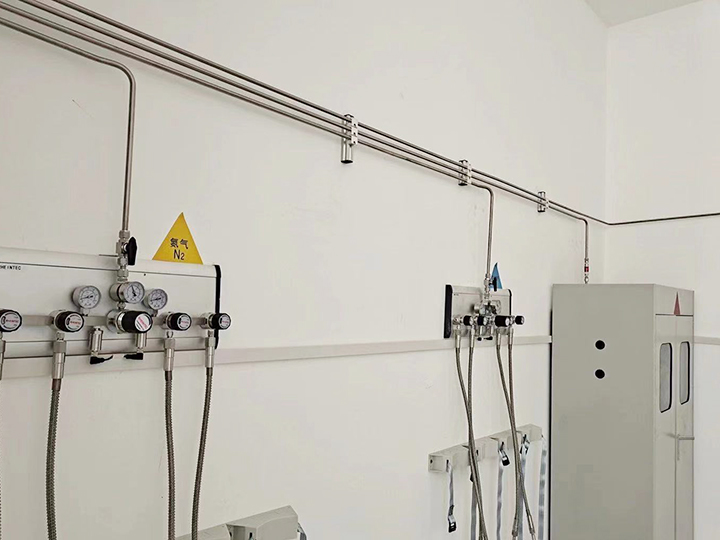
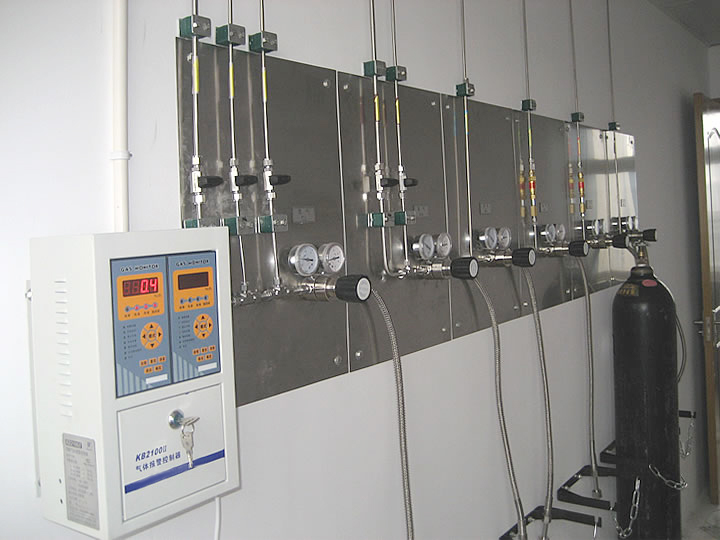
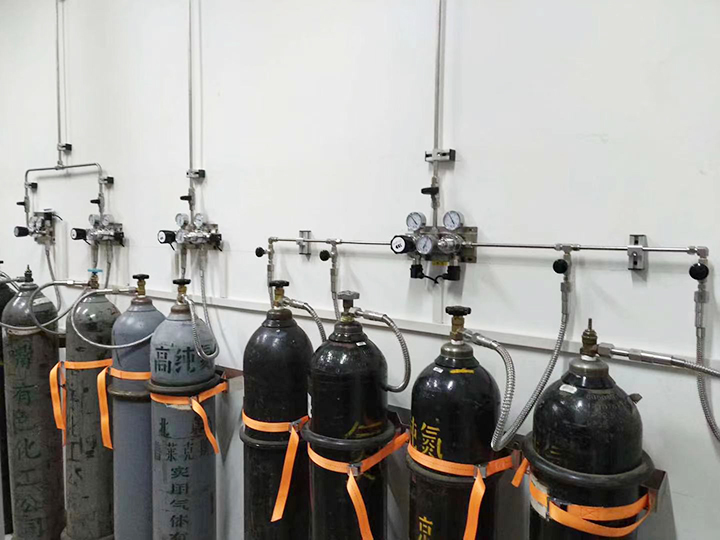
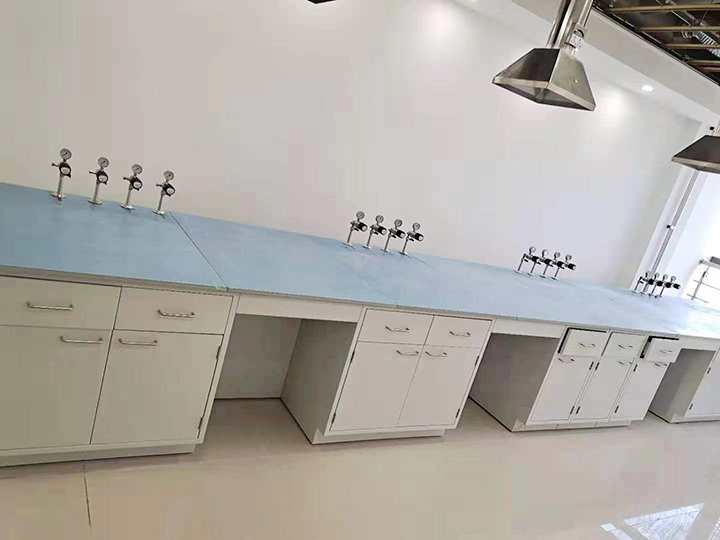
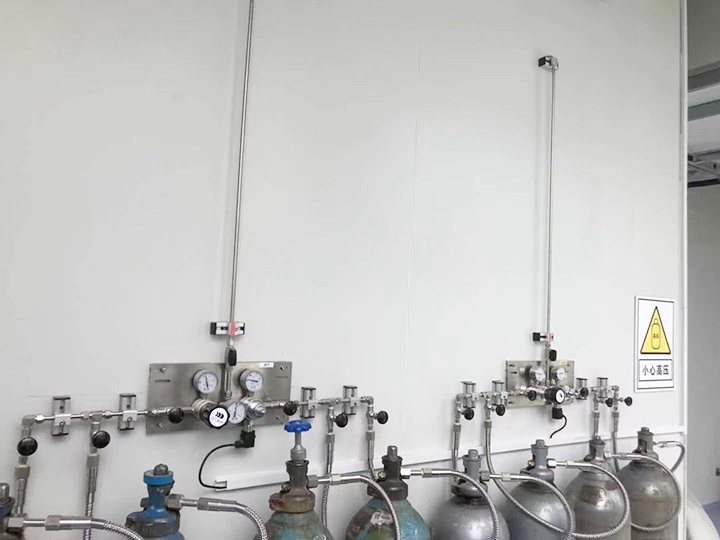
Laboratory air circuit
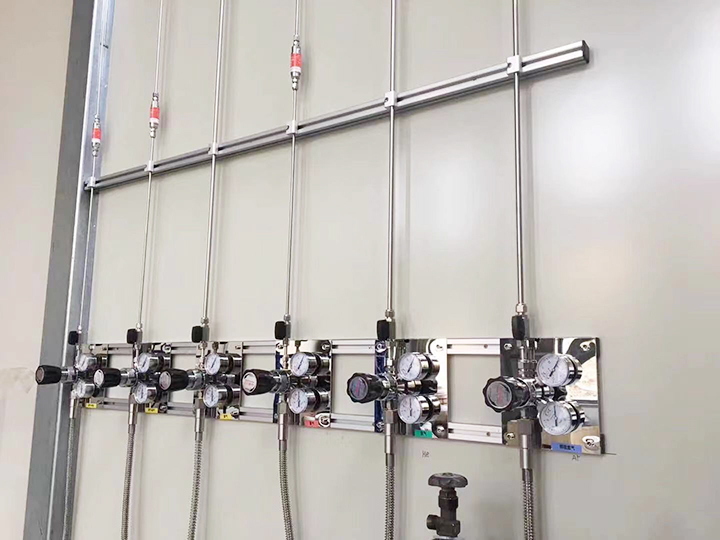
Acceptance standards for laboratory gas circuit projects:
1. Appearance inspection:
---pipelines should be routed horizontally and vertically; pipes should be firmly fixed
---The outer surface of the pipe has no obvious damage;
--- There is no obvious damage to each valve.
2. System voltage test:
If the pipeline deforms (such as bubbling, twisting, expansion, etc.) after being pushed into the pressure, it means that the system cannot work under this pressure. If it is under this working pressure for a long time, the system will burst at the deformation position, causing personal and property damage. This experiment is to test the pressure resistance performance of the pipeline system and ensure the safety and reliability of the system.
In order to ensure that the system environment is not polluted during the experiment, high-purity nitrogen is used as the experimental gas.
experimental method: Pour high-purity nitrogen into the system to 0.8Mpa, close all valves, and after 24 hours, no deformation should occur in the system.
3. Air tightness experiment:
After gas is injected into the piping system, if there is a leak in the system, the system pressure will inevitably drop after a period of time due to the continuous loss of gas in the system but the volume of the system does not change (sometimes the impact of ambient temperature must also be considered).
Because this detection method is simple and easy to operate, has low cost, accurate and stable and reliable detection results, it is suitable for air tightness detection of small and medium-sized pipeline systems.
experimental method: Inject high-purity nitrogen into the system to 0.8Mpa, close all valves, and after 24 hours, the pressure change rate of the system is <1%.